
Inconsistent Fish Import Policy Costing Nigeria Jobs and Foreign Exchange, Expert Warns
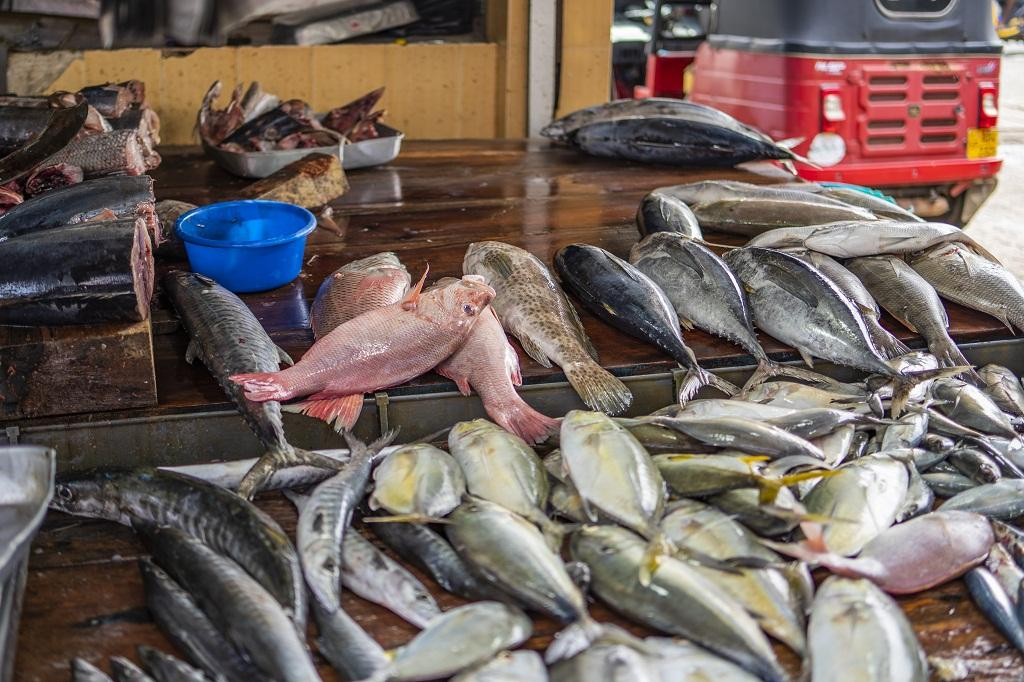
Nigeria is forfeiting jobs and scarce foreign exchange because the rules governing fish imports keep shifting, according to Dr Olukayode Olubiyi, Chief Lecturer at the Federal College of Fisheries and Marine Technology in Lagos.
His central objection is that import permits are issued for species Nigerian farmers already raise successfully, among them tilapia, catfish and pangasius. Domestic producers need roughly six to seven months to bring a crop of fish to market. Importers can land large consignments within weeks and undercut them on price, a mismatch that leaves local operators unable to compete on the shelf.
The deeper problem, he argued, is unpredictability rather than imports as such. Where policy direction changes without warning, investors hesitate to commit capital to expanding hatcheries, feed production or grow-out ponds, and the sector stays smaller than the domestic market could support.
He proposed a narrower test for what should be allowed in: species that cannot realistically be farmed in tropical conditions, such as salmon and cod. Everything Nigeria can raise at home, he said, should be sourced at home, keeping both the employment and the currency within the economy.
Source: Vanguard
