
Analysts Expect CBN to Hold Benchmark Rate at 26.5 Per Cent as Inflation Eases
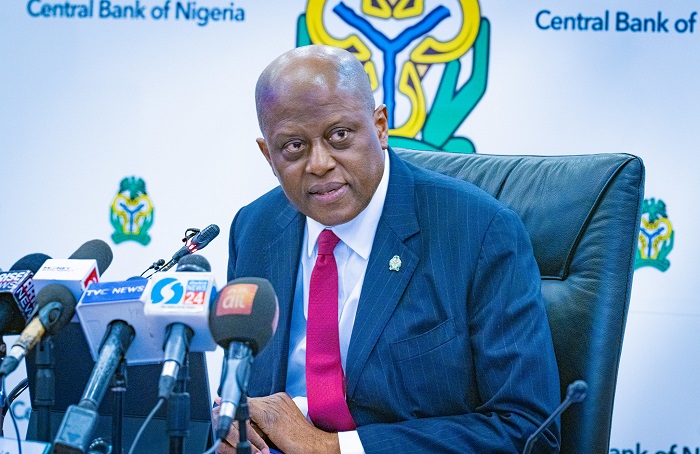
The Central Bank of Nigeria is widely expected to leave its Monetary Policy Rate unchanged at 26.50 per cent as the Monetary Policy Committee concludes a two-day meeting chaired by Governor Yemi Cardoso.
The case for holding rests on a set of indicators pointing in the same direction. Headline inflation eased marginally to 15.91 per cent in June from 15.93 per cent in May, keeping it inside the tolerance band of 14.5 to 18.5 per cent. External reserves stand at 51.89 billion dollars, a seventeen-year high, and the naira has been comparatively stable at about N1,382.18 to the dollar. Growth has also firmed, with first-quarter GDP expanding 3.89 per cent against 3.13 per cent a year earlier.
Analysts at Cordros Capital, Arthur Steven Asset Management, whose managing director is Olatunde Amolegbe, and the Centre for the Promotion of Private Enterprise, led by Dr Muda Yusuf, all lean towards a pause. A wait-and-see posture among major central banks globally reinforces the argument for leaving policy settings where they are.
Source: The Nation
